 Türkçe

BARÜ Hosts Discussions on the Western Black Sea’s Sustainable Development Vision

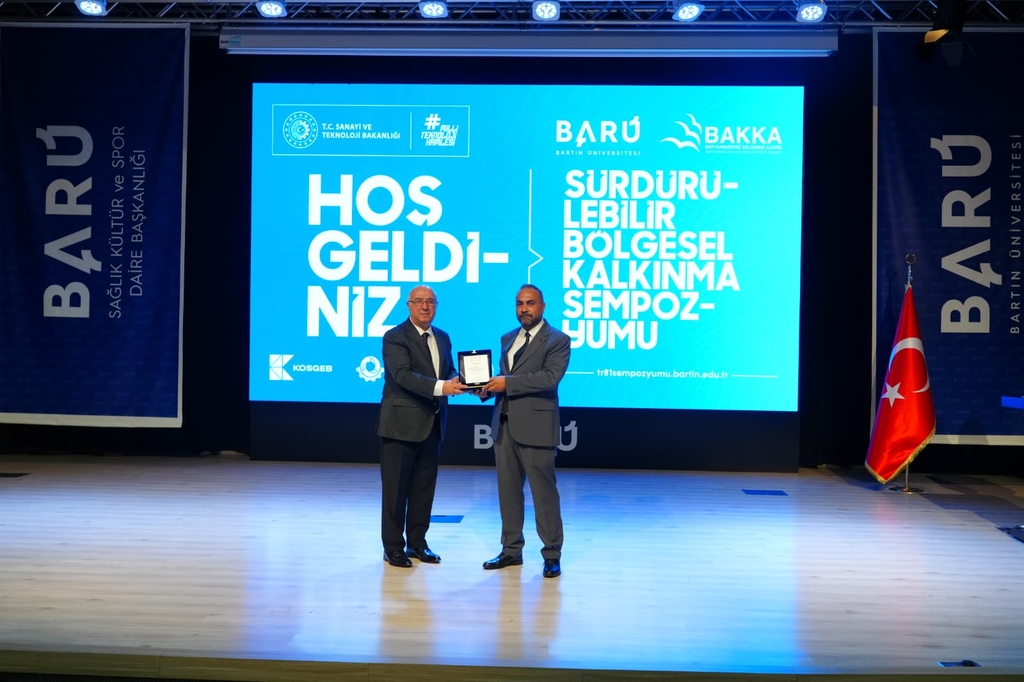
The economic, social, and cultural development potential of the region is being discussed at the “1st Sustainable Regional Development Symposium,” organized at Bartın University (BARÜ) in cooperation with the Western Black Sea Development Agency (BAKKA).
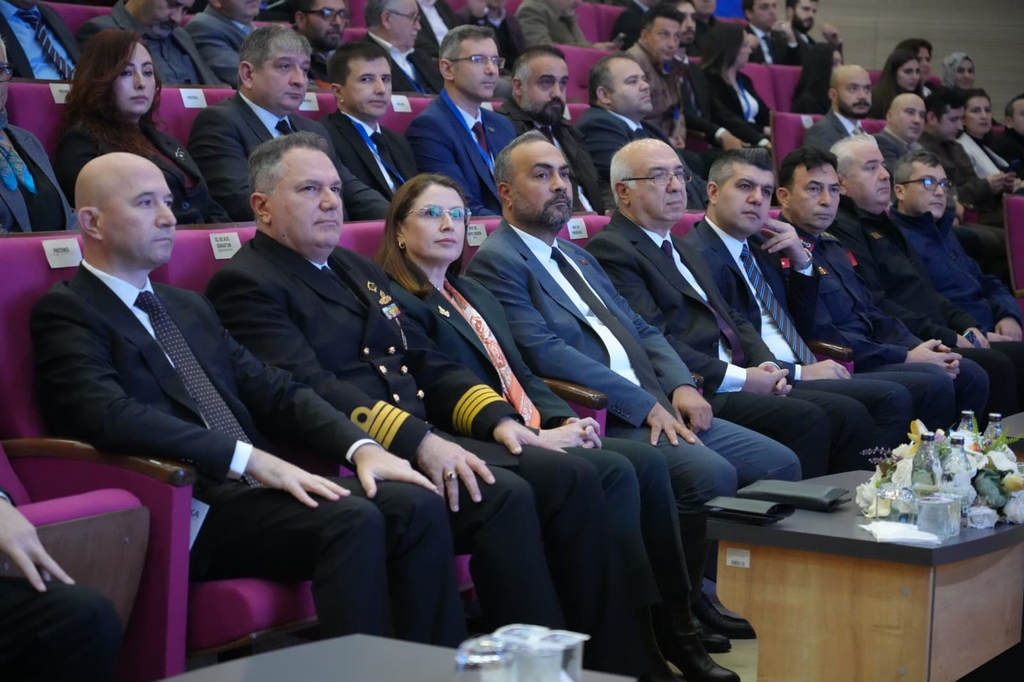
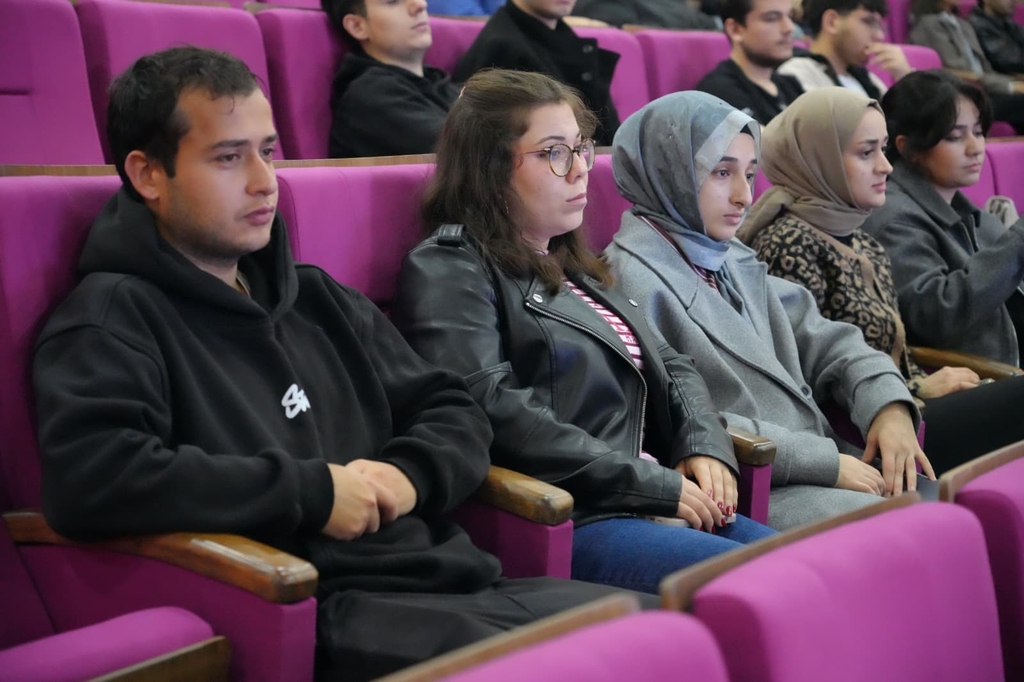
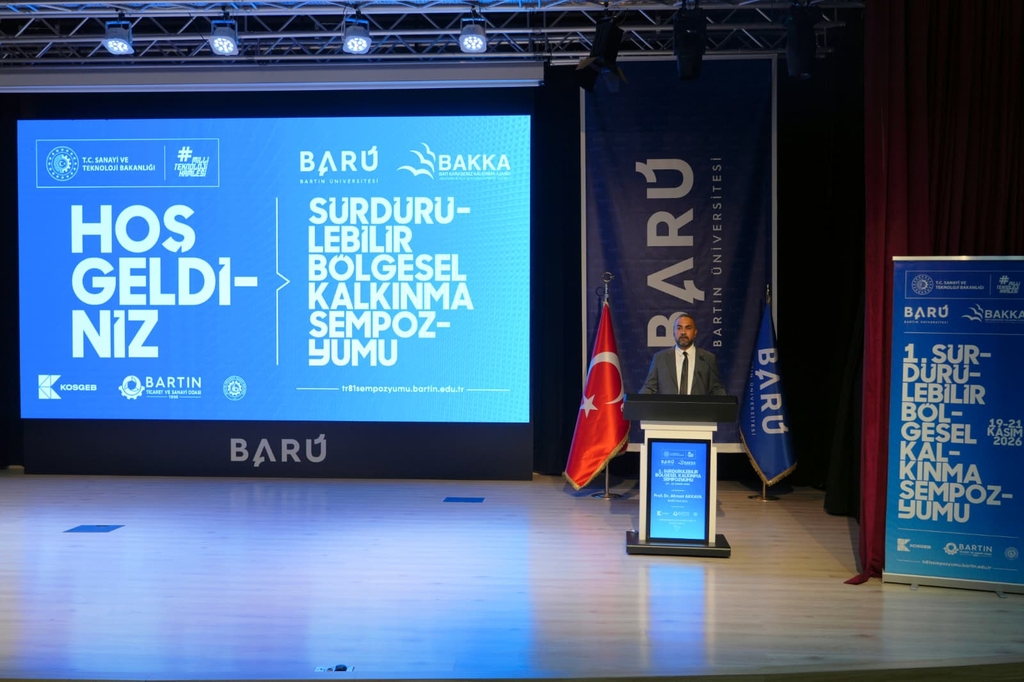
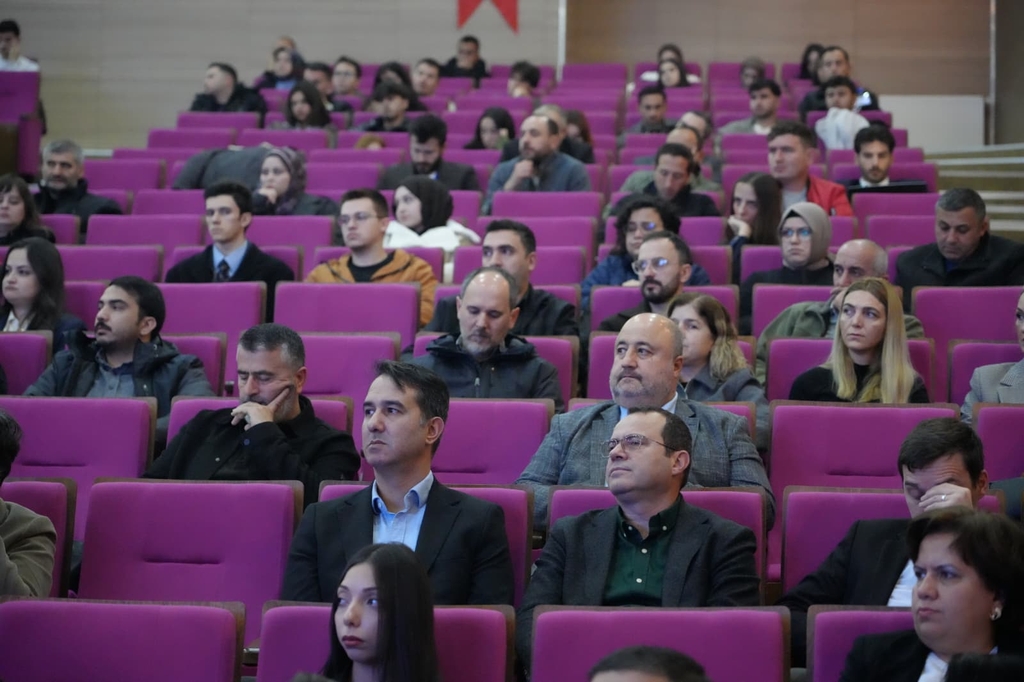
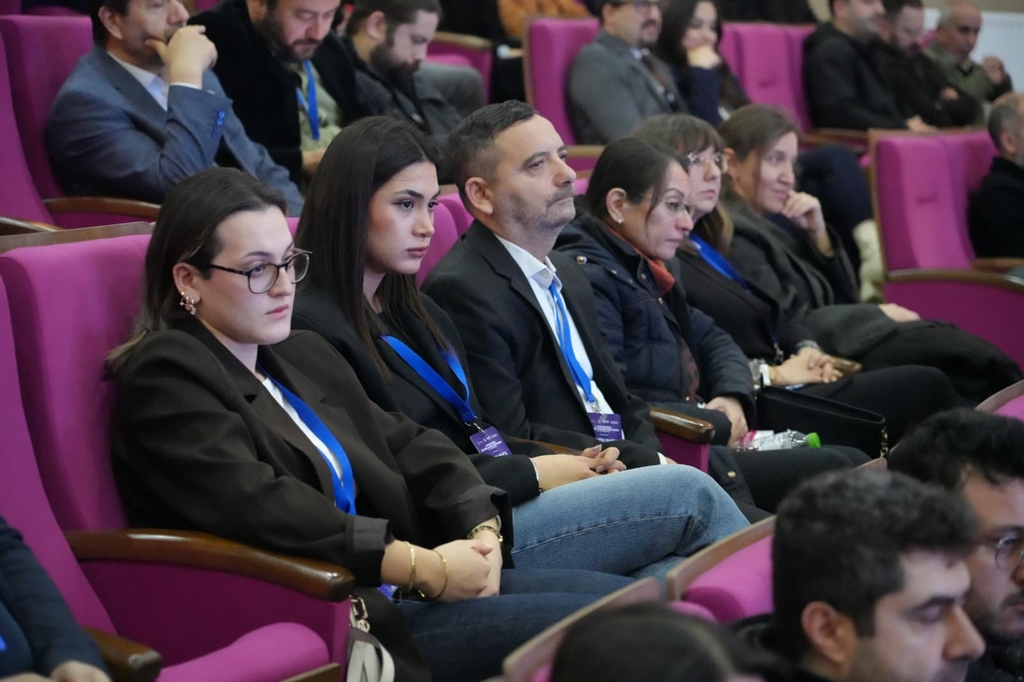
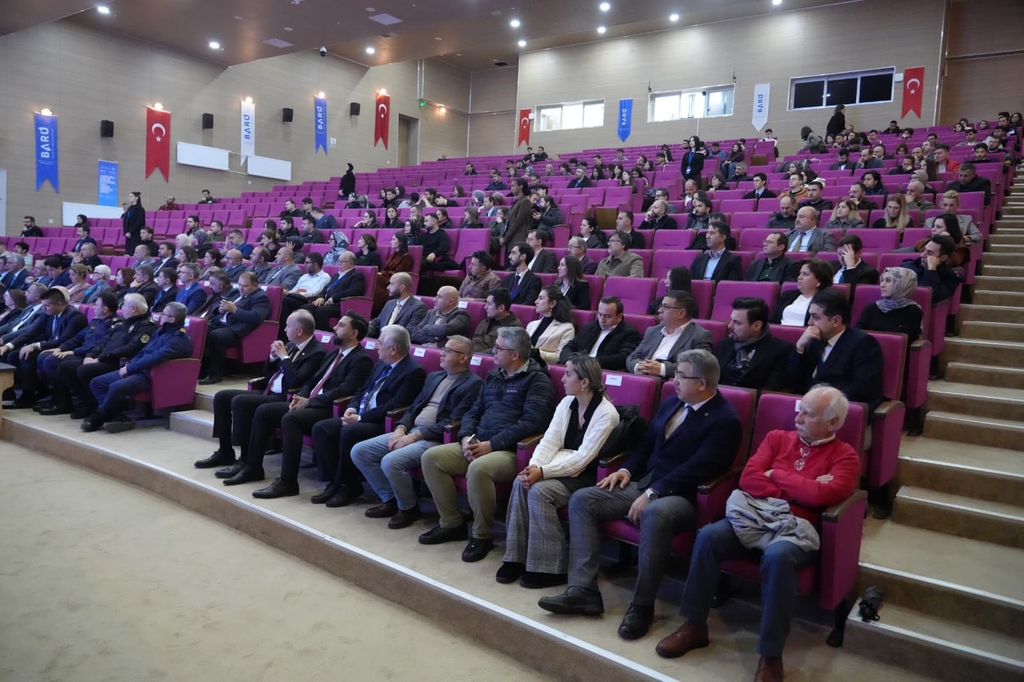
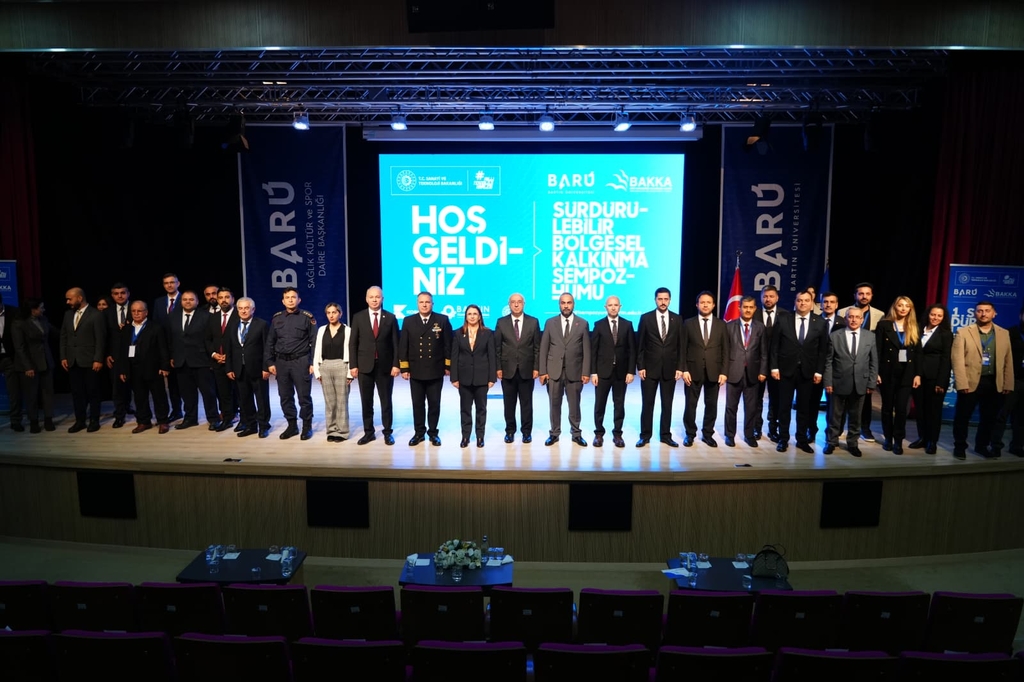
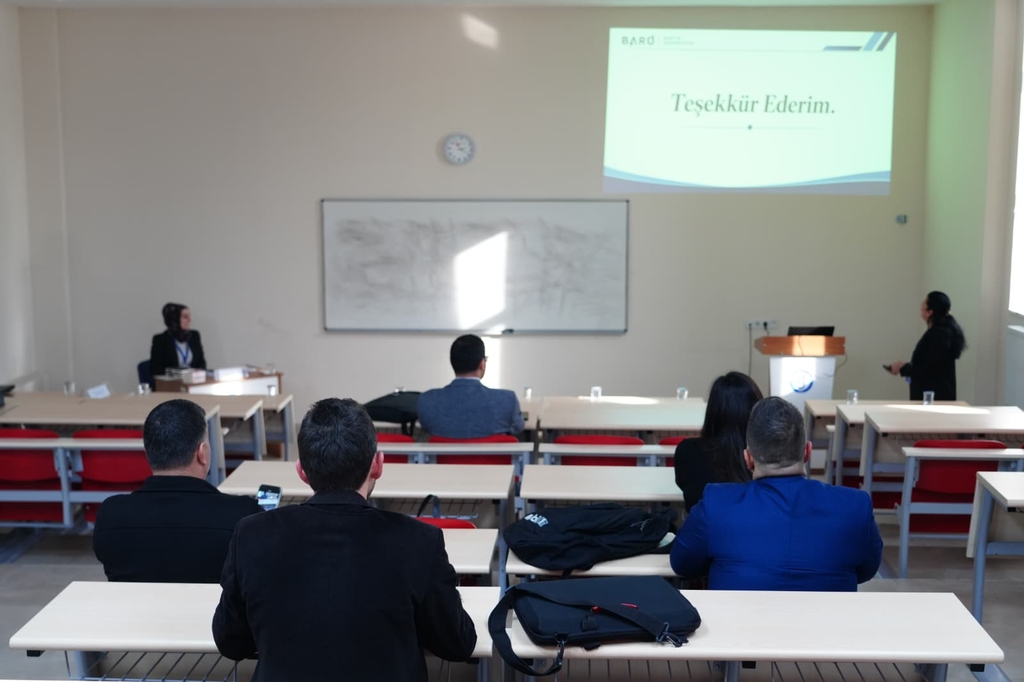
The “1st Sustainable Regional Development Symposium,” organized in cooperation between the Department of Economics at the Bartın University (BARÜ) Faculty of Economics and Administrative Sciences and the Western Black Sea Development Agency (BAKKA), has begun. The symposium, whose opening program was held at the Fatih Sultan Mehmet Conference Hall on BARÜ’s Kutlubey Campus, brought together academics, representatives of public institutions, and various stakeholders in regional development.
Opening Remarks Highlight Cooperation and a Shared Vision for Regional Development
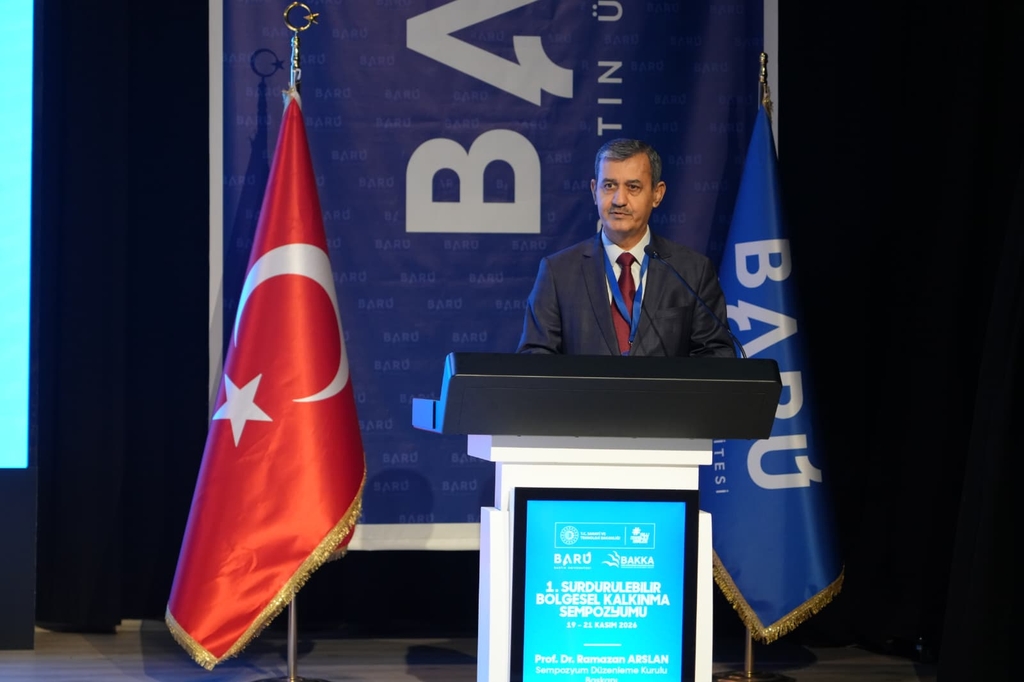
At the beginning of the program, Symposium Organizing Committee Chair Prof. Dr. Ramazan Arslan stated that the TR81 Region, covering the Western Black Sea, has significant potential thanks to its industrial base, natural resources, agricultural production, and tourism opportunities. He added that 116 researchers from universities and institutions across Türkiye would present 73 papers at the symposium, which aims to help transform this potential into employment and production.
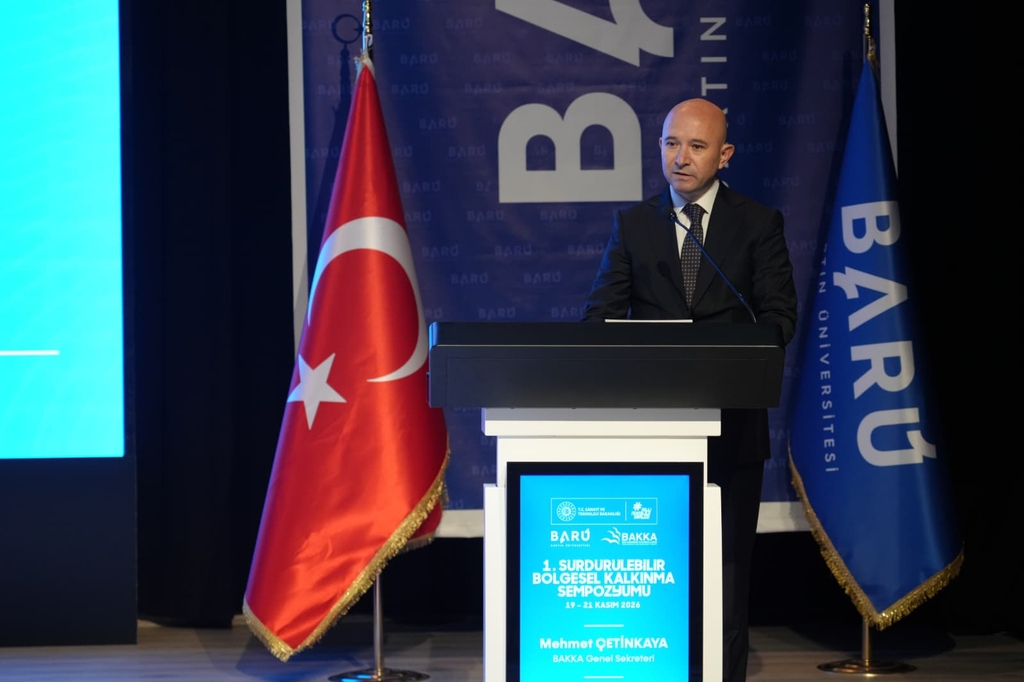
BAKKA Secretary General Mehmet Çetinkaya said, “The Western Black Sea Region has a deep-rooted industrial heritage ranging from mining to iron and steel, and from energy to forest products. We see one of the most concrete examples of this right next to us in the Filyos Valley. The Port of Filyos and natural gas investments in the Black Sea offer important opportunities for the economic transformation of our region. As investments in Filyos take shape, we must be prepared for these opportunities together with our industrialists, entrepreneurs, universities, and young people. Our goal is to build a system that develops technology-based solutions and generates economic and social benefits. In this regard, we attach great importance to our cooperation with universities.”
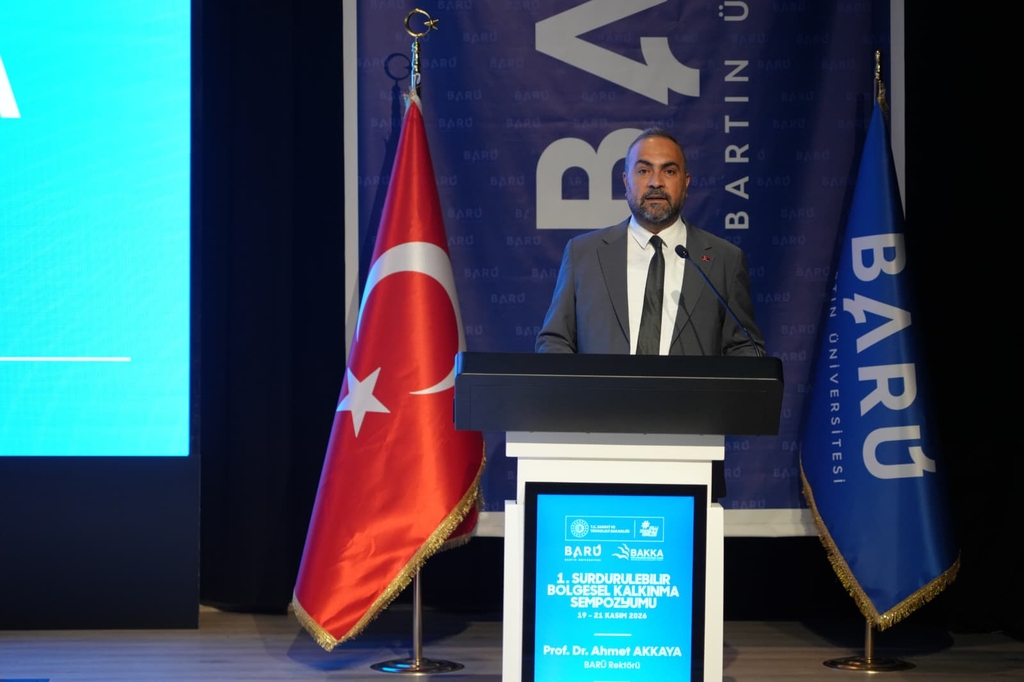
Rector Akkaya: “We Contribute to Regional Development Through Our Projects”
Drawing attention to the role of universities in regional development, BARÜ Rector Prof. Dr. Ahmet Akkaya said, “At our University, we continue our work with an approach based on sustainable regional development. The projects we carry out within our specialization area of ‘Smart Logistics and Integrated Regional Applications’ are presented to institutions and organizations both in our region and across our country. Development is a comprehensive process encompassing economic, cultural, social, and educational dimensions. To achieve the Sustainable Development Goals, we must establish a holistic development model through inter-institutional cooperation.”
Rector Akkaya also stated that at the symposium, where the building of cities and planning for the future are being discussed, every piece of high-quality knowledge produced and every step taken in the region and across the country would also reach places such as Gaza.
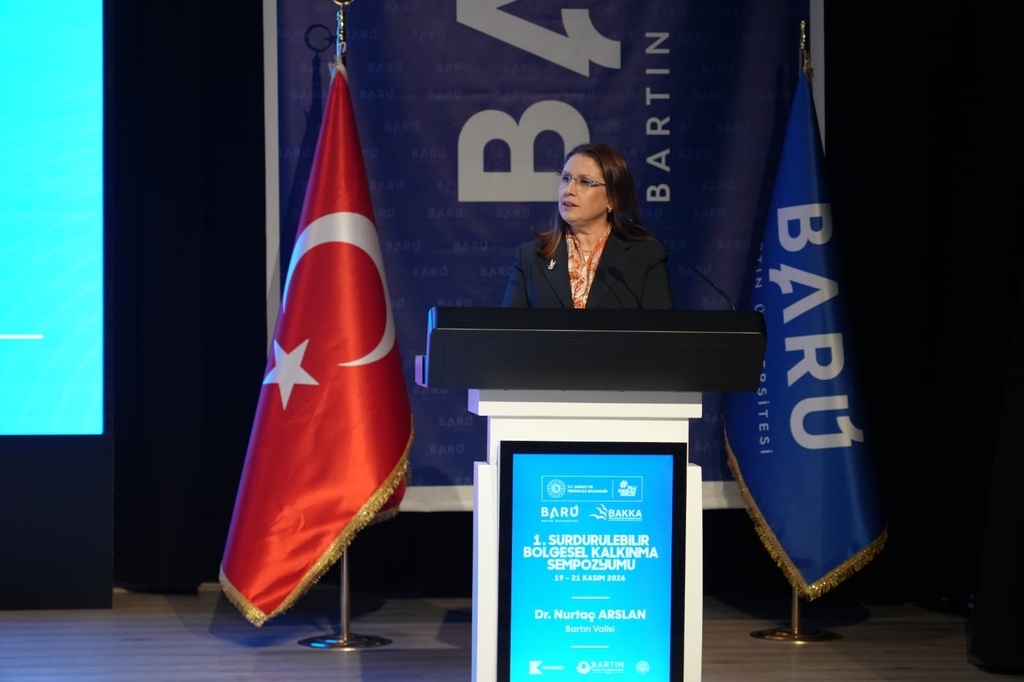
Governor Arslan: “We must accurately assess the region’s needs and make effective use of existing resources.”
Bartın Governor Dr. Nurtaç Arslan said, “With their natural resources and production capacity, Bartın, Karabük, and Zonguldak have significant potential for sustainable development. Unlocking this potential requires a collective effort and a determined vision. We must accurately assess the region’s needs, make effective use of existing resources, and lead initiatives that will create value for the future. I believe that the symposium beginning today will bring together our academics, experts, and stakeholders, allowing us to examine the issues facing our region more closely, develop new ideas, and lay the foundations for lasting partnerships. We should remember that strong cities create strong regions, and strong regions, in turn, accelerate our country’s development journey.”
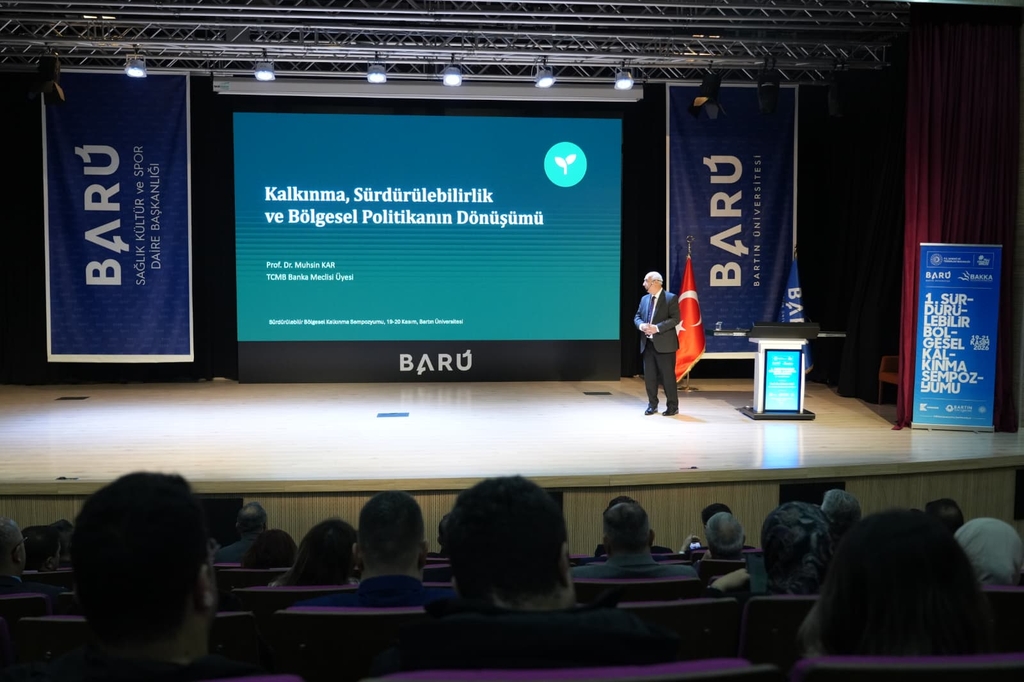
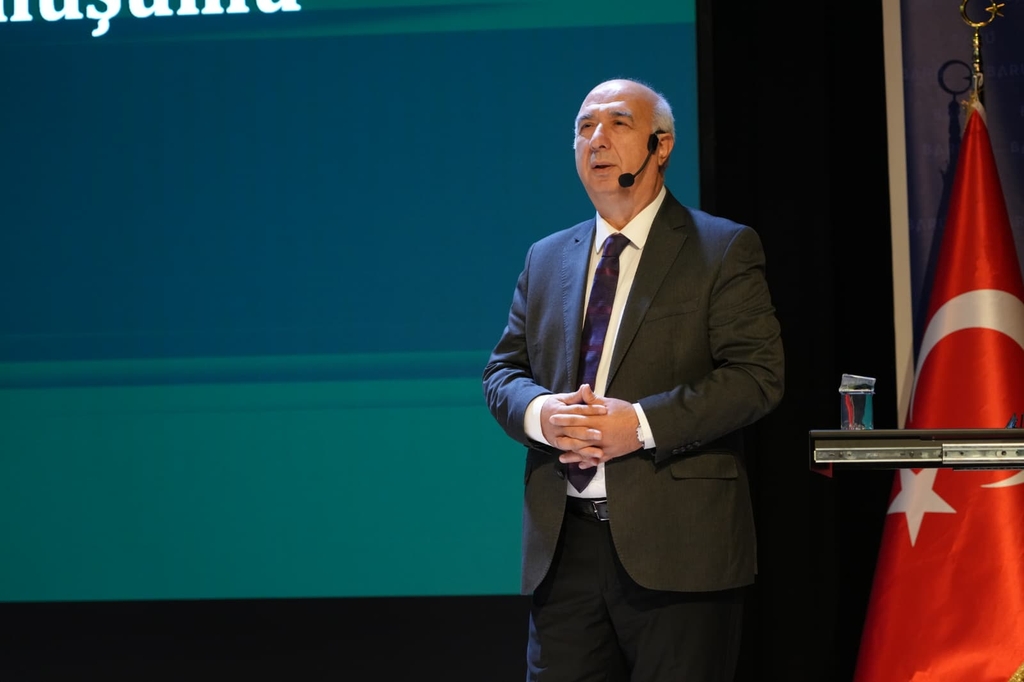
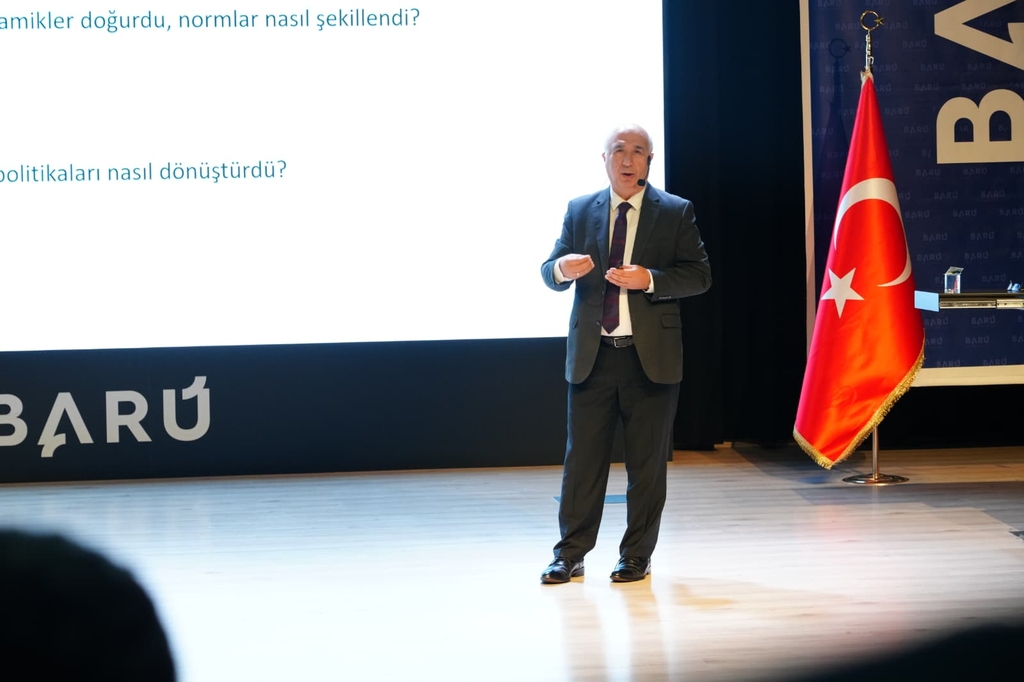
Prof. Dr. Muhsin Kar delivers presentation on sustainable development and the transformation of regional policy
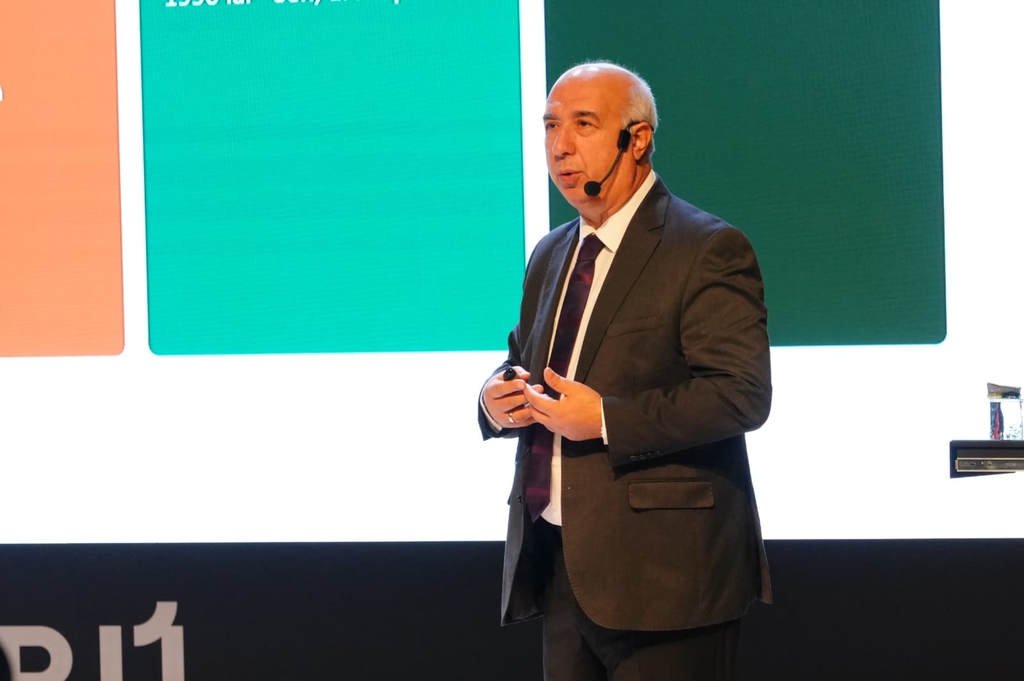
Following the opening remarks, Prof. Dr. Muhsin Kar, Board Member of the Central Bank of the Republic of Türkiye (CBRT), delivered a presentation titled “Development, Sustainability and the Transformation of Regional Policy.”
Prof. Dr. Muhsin Kar said, “Fundamental rights, the rule of law, access to quality healthcare and education should be considered part of development. In parallel with this, the State Planning Organization was established in Türkiye in 1960 in line with the development theories prevailing in economics at the time, and five-year development plans were implemented. In 1980, this policy changed with the January 24 Decisions. Initially, the concept of development was used synonymously with growth. After the 1980s, when liberal policies became dominant, the prevailing approach was to align development with the market and pursue countries’ production and development through the private sector. More recently, the concept of sustainability has come to the fore. The Brundtland Report defines sustainable development as ‘development that meets the needs of the present without compromising the ability of future generations to meet their own needs.’ This brings intergenerational and intragenerational justice to the fore. Since the 2000s, we have moved from the limits to growth to planetary boundaries. Doughnut economics, post-growth, and degrowth have also entered the agenda.”
Addressing the role of sustainability in regional policies, Prof. Dr. Kar said, “The international political-economic approach has also commodified the relationship between people and nature in the context of sustainability, making it part of the market. At the point we have now reached, we are witnessing the return of the state. From the perspective of regional policies, Keynesian redistribution prevailed until the 1980s; after the 1980s, competitive regionalism, clustering, and innovation systems came to the fore. Since 2009, the localization of the Sustainable Development Goals, smart specialization, and multi-level governance have become prominent. In the current period, green and just transition and green industrial policy are on the agenda. Sustainability has now also become a component of security. Türkiye’s regional policies have changed over time in line with developments around the world. The Classification of Statistical Regional Units, the establishment of development agencies, the 12th Development Plan, and green and digital transformation are some examples of these changes. At this point, strengthening the operational capacity of successful development agencies and genuinely implementing a place-based approach are important.”
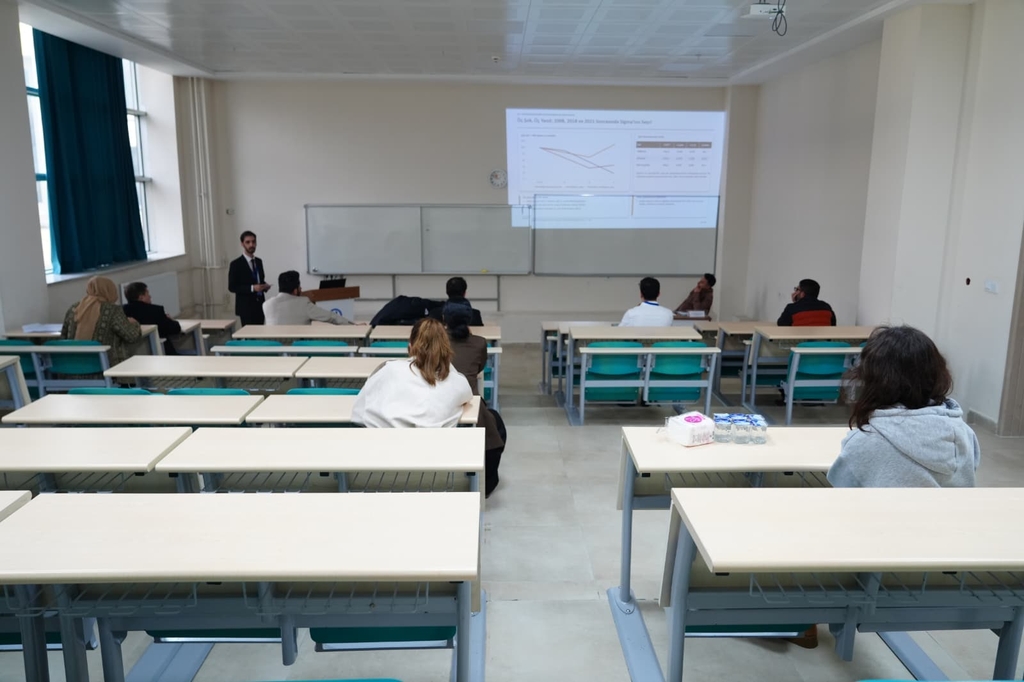
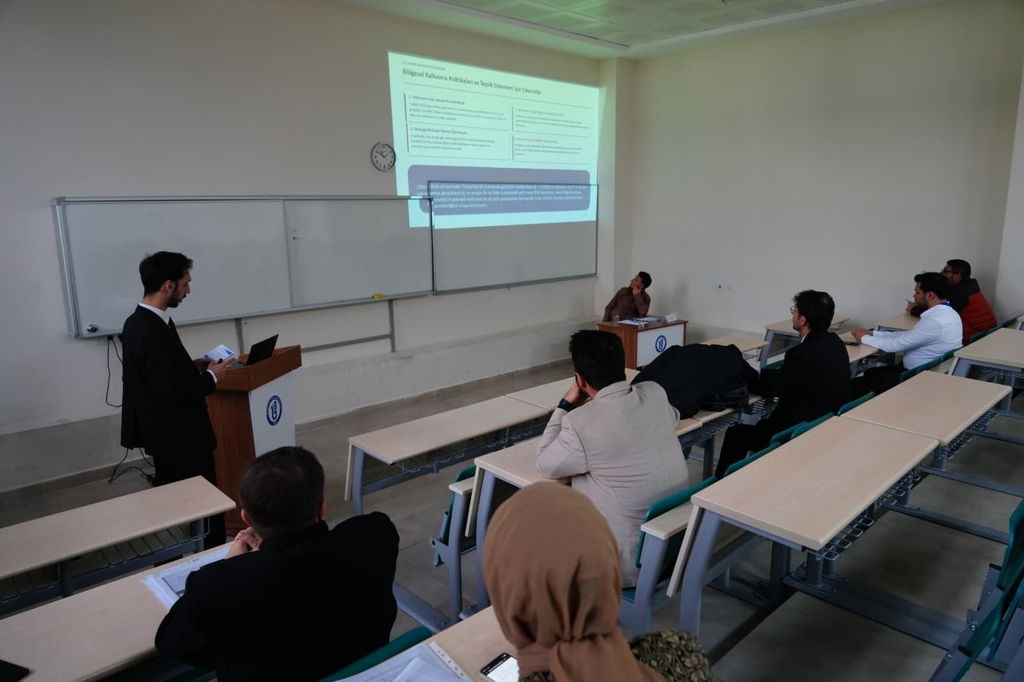
The “1st Sustainable Regional Development Symposium” will continue with paper presentations in parallel sessions.
BARÜ Communications Coordination Office
Fotoğraflar